Best Charger Types Every Buyer Should Know
Choosing the right charger can make a significant difference in daily device use. With so many types available—wall, car, wireless, GaN, and power banks—it’s easy to feel overwhelmed. Each charger type has unique advantages and limitations depending on where and how you use it. Understanding these differences can save time, money, and frustration. In this article, we will guide you through the essential charger types and how to select the best one for your lifestyle.
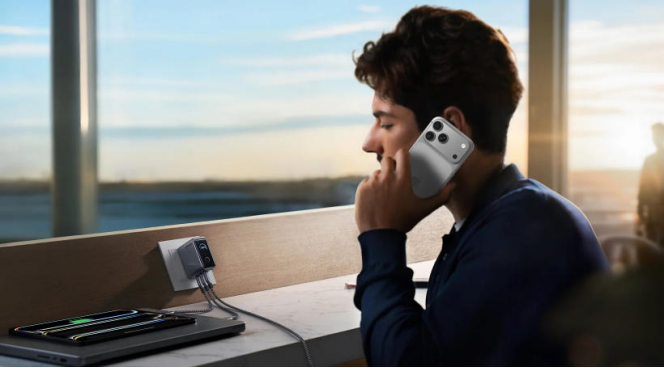
Standard Wall Chargers: The Everyday Essential
Basic USB-A Chargers: Compatibility and Limits
USB-A chargers remain common and are compatible with a wide range of devices. They offer reliable charging for smartphones, tablets, and other electronics but usually provide slower speeds compared to modern alternatives. Many older cables are also USB-A, making them convenient if you already have accessories on hand. While dependable, they often lack fast-charging capabilities and may struggle with larger devices. Considering these limits helps you decide when a basic charger is sufficient and when to upgrade.
USB-C PD Wall Chargers: The New Speed Standard
USB-C Power Delivery (PD) chargers have become the modern standard for speed and efficiency. These chargers can deliver higher wattage, supporting laptops, tablets, and fast-charging smartphones. Their versatility allows a single charger to power multiple devices, simplifying your setup. Many devices now come with USB-C ports, making compatibility less of a concern. Choosing a USB-C PD charger ensures faster, more reliable charging, especially for busy users who value efficiency.
Car Chargers: Power on the Go
Single-Port vs. Multi-Port Car Chargers
Car chargers provide convenience when traveling or commuting. Single-port models are compact and affordable, ideal for charging one device at a time. Multi-port chargers can power several devices simultaneously, which is useful for families or shared vehicles. It’s important to consider how many devices you need to charge and the vehicle’s power output. Matching the charger type to your needs ensures reliable performance on the road.
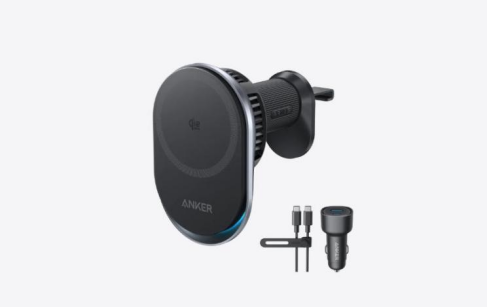
What to Look for in a Safe Car Charger
Safety is critical when choosing a car charger. Look for overcurrent and overvoltage protection to prevent damage to your devices. Quality materials and solid construction reduce the risk of overheating during long drives. A charger with recognized certifications is always preferable. Investing in a safe, well-built charger guarantees both efficiency and peace of mind while traveling.
Wireless Chargers: Convenience Over Speed
Wireless chargers offer a cable-free charging experience, making them convenient for desks or bedside tables. They are ideal for people who value ease of use and minimal clutter. However, wireless charging is generally slower than wired alternatives, particularly for high-capacity devices. Proper alignment is important, as misplacement can reduce charging speed or prevent it entirely. For daily casual use, wireless chargers provide a convenient solution without constant cable management.
GaN (Gallium Nitride) Chargers: The Modern Upgrade
GaN chargers represent the latest evolution in charging technology. They are smaller, more efficient, and produce less heat compared to traditional silicon-based chargers. GaN technology allows higher wattage output in compact designs, making them perfect for travel or crowded workspaces. Many users find that one GaN charger can replace multiple older chargers, simplifying their setup. Choosing a GaN charger is a smart investment for anyone seeking durability and performance in a compact package.
Power Banks: Your Portable Outlet
Differences Between Standard and Fast-Charging Power Banks
Power banks provide portable power when outlets aren’t available. Standard models offer steady, slower charging, suitable for small devices like smartphones or earbuds. Fast-charging power banks can deliver higher wattage to tablets or laptops, cutting down wait time significantly. Understanding the charging needs of your devices helps determine which type to choose. Selecting the right power bank ensures you have backup power when you need it most.
Choosing Capacity (mAh) and Ports for Your Needs
Capacity, measured in milliamp-hours (mAh), determines how many times a device can be charged before recharging the power bank. Higher-capacity units are ideal for extended travel or multiple devices, while lower-capacity options are more portable. Port selection also matters; more ports allow simultaneous charging of several devices. Evaluating both capacity and ports ensures your power bank meets daily or travel demands. Proper planning guarantees that you’re never caught without power when it’s needed.
Conclusion
A complete charging toolkit considers speed, portability, and reliability. Selecting the right combination of wall chargers, car chargers, wireless pads, GaN chargers, and power banks ensures devices stay powered in any situation. Many users experience reduced efficiency when trying to charge iphone 17 with old chargers, which is why investing in a new, high-quality Anker charger can make a significant difference. By understanding each charger type’s strengths, you can create a setup that fits your lifestyle perfectly. Thoughtful selection, combined with proper care, ensures your devices remain powered and your charging setup is future-proof.